Blog

  • Dumpster Services: A Convenient Solution for Managing Large Waste Removal Projects

    Managing waste properly is an important part of maintaining a clean, safe, and organized environment. Whether someone is handling a home renovation, clearing an old property, or managing a busy construction site, unwanted materials can quickly become difficult to control. Dumpster services offer a dependable solution by providing convenient containers for collecting and disposing of different types of waste. These services help customers save time, reduce cleanup difficulties, and keep their properties in better condition.

    One of the biggest benefits of renting a dumpster is having a dedicated place for unwanted materials. During large cleanup projects, ordinary trash bins often cannot accommodate bulky furniture, damaged building materials, and other debris. A rental dumpster provides additional capacity, allowing customers to collect waste in one location rather than leaving it scattered around the property.

    Residential customers frequently use dumpster services when preparing their homes for renovation or relocation. Cleaning an attic, organizing a garage, replacing old flooring, or removing outdated furniture can produce considerable waste. A dumpster makes these activities easier by providing enough space for unwanted items. Homeowners can complete their projects without repeatedly traveling to local disposal facilities.

    Construction projects also create a continuous need for reliable waste removal. Contractors work with materials such as lumber, drywall, roofing shingles, concrete, insulation, and metal scraps. Collecting these materials in a designated container helps keep the work area organized. It can also reduce obstacles around construction equipment and provide workers with a more manageable environment.

    Commercial businesses have different waste management requirements depending on their operations. Restaurants, shopping centers, warehouses, and office buildings may generate substantial amounts of packaging, damaged equipment, and general waste. Commercial dumpster rentals provide a practical way to manage these materials. Businesses can arrange collection schedules that match their waste production and operational needs.

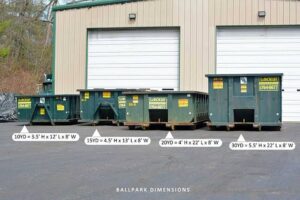
    Choosing the right dumpster size is essential for getting the best results. A small container may be suitable for a minor household cleanup, whereas larger projects may require a container with greater capacity. Customers should consider the volume and weight of their waste before making a rental decision. A professional provider can explain the available sizes and recommend an appropriate option.

    Rental pricing should also be considered before booking a service. Costs can vary according to container dimensions, rental duration, delivery location, disposal weight, and material restrictions. Customers should ask for a clear explanation of the total charges and check whether additional fees apply to extended rentals or excess weight. Understanding these details helps make budgeting easier.

    Another important part of dumpster rental is knowing which materials are accepted. Most providers allow common household waste and certain construction debris, but hazardous substances may be restricted. Chemicals, batteries, paint, and other potentially dangerous materials often require special disposal procedures. Following the company’s guidelines helps ensure that waste is handled appropriately.

    Environmental responsibility is becoming increasingly important in the waste management industry. Some dumpster providers offer recycling options for materials such as cardboard, metals, and selected construction products. Separating recyclable materials can reduce landfill waste and support more sustainable resource management. Customers can ask their rental company about available recycling services before starting a project.

    Reliable scheduling is another reason customers choose professional dumpster services. Timely delivery allows projects to begin without unnecessary delays, while prompt pickup prevents filled containers from occupying valuable space. Flexible rental arrangements are particularly useful for projects that may take several days or weeks to complete.

    Proper placement is equally important. Before delivery, customers should identify a location with enough room for the dumpster and the delivery truck. The surface should be suitable for supporting the container, and access should remain clear for safe loading and collection. Local rules may also apply when placing dumpsters on public streets or shared spaces.

    In conclusion, dumpster services provide an efficient and convenient solution for managing waste from residential, commercial, and construction activities. They simplify cleanup, improve organization, and make large waste removal projects easier to handle. By selecting the appropriate container, understanding rental terms, and choosing a reliable provider, customers can enjoy a smoother cleanup experience while maintaining cleaner and more organized surroundings.
  • Dumpster Services for Efficient Property Maintenance

    Regular property maintenance keeps homes, commercial buildings, and rental spaces in good condition. However, maintenance work often creates more waste than ordinary garbage collection can handle. Replacing damaged fencing, clearing storage areas, removing old flooring, and repairing outdoor structures can leave behind bulky materials that need proper disposal. I have found that arranging waste removal before maintenance begins helps prevent clutter from interfering with the work. Dumpster services offer a practical solution for collecting approved debris and keeping projects organized.

    Preparing for Routine Maintenance Work

    Property maintenance can involve many small tasks that gradually produce a large amount of waste. A building owner might replace damaged doors, remove old shelving, repair a deck, or clear unwanted materials from a storage room. When several tasks happen together, the debris can accumulate quickly.

    I recommend reviewing the maintenance schedule before arranging a dumpster rental. Make a list of the materials expected from each task and estimate how much waste will be produced. This helps determine whether one container will be sufficient or whether separate collection arrangements are needed.

    Planning ahead also gives property owners time to discuss delivery dates and disposal requirements with the rental provider.

    Clearing Storage Areas and Utility Rooms

    Storage rooms, basements, garages, and utility areas often become crowded with unused equipment and damaged household materials. Over time, these spaces may contain broken furniture, empty packaging, old shelving, and items that are no longer useful.

    A dumpster can make a large cleanout easier by providing a central location for approved unwanted materials. I suggest sorting belongings before loading begins. Items that can be donated, reused, or recycled should be separated from general waste.

    Special care is needed with chemicals, batteries, paint, fuel containers, and electronic equipment. These items may require specialized disposal rather than placement in a standard rental dumpster.

    Managing Exterior Repairs

    Outdoor maintenance can produce bulky debris that is difficult to manage through regular collection services. Replacing a fence, repairing a wooden deck, removing damaged garden structures, or improving a driveway can leave behind boards, metal pieces, broken concrete, and packaging.

    Before booking a container, property owners should identify the materials involved. Some providers accept mixed construction debris, while others have separate rules for concrete, soil, treated wood, and green waste.

    I recommend asking about weight restrictions as well. Heavy materials can reach a container’s permitted weight before it looks completely full. Understanding these limits helps avoid overloading and unexpected charges.

    Supporting Apartment Building Maintenance

    Apartment buildings require ongoing maintenance to keep shared spaces safe and usable. Property managers may need to remove old furniture from common rooms, replace damaged fixtures, clear storage spaces, or prepare vacant units for new residents.

    Dumpster services can help property managers organize waste collection during these activities. A designated container reduces the need to leave unwanted materials in hallways, parking areas, or shared outdoor spaces.

    Placement is particularly important in apartment communities. The dumpster should not block emergency access, pedestrian routes, parking spaces, or entrances. Residents should also receive clear information about temporary access changes when maintenance work is scheduled.

    Choosing a Suitable Container Size

    The right dumpster size depends on the type and quantity of maintenance waste. A small repair project may only produce a limited amount of debris, while a full building cleanup could require a larger container.

    I advise considering both the physical size and weight of the materials. Old furniture and packaging can occupy considerable space, whereas concrete, tiles, and soil may be much heavier than expected.

    A rental provider can recommend a suitable option after reviewing the project details. If maintenance will happen in several stages, ask whether the company offers scheduled pickups or replacement containers.

    Arranging Delivery Without Disrupting Access

    Container placement should be planned around the normal use of the property. For residential buildings, the driveway may be suitable if there is enough room for delivery and collection. Commercial properties may have loading areas that can accommodate a temporary dumpster.

    Before delivery, check for overhead wires, low branches, parked vehicles, gates, and narrow access points. The delivery vehicle needs enough space to position the container safely.

    I also recommend checking whether permission is required for placement on a public street or shared property. Confirming these details in advance can prevent delays and avoid disrupting residents or customers.

    Understanding Rental Costs and Conditions

    Dumpster rental costs are usually influenced by container size, rental period, delivery distance, waste type, and total weight. Some companies provide a package price that includes delivery, collection, and a specific disposal allowance. Others may charge additional fees for extra rental days or weight beyond the agreed limit.

    Before booking, ask for a written quote that explains all expected charges. Confirm the rental dates, included weight allowance, accepted materials, and collection arrangements.

    This is particularly useful for property managers who need to prepare maintenance budgets. Clear pricing makes it easier to compare providers and avoid unexpected expenses.

    Keeping Maintenance Areas Safe

    A clean work area helps maintenance teams complete their tasks with fewer obstacles. Waste should be moved into the designated container regularly rather than left beside walkways or entrances.

    Workers should use suitable protective equipment when handling broken materials, sharp objects, and heavy debris. Large items may require mechanical assistance or additional workers to move safely.

    The dumpster should never be filled above its marked limit. Materials must be placed securely, with weight distributed evenly so the container can be transported safely. Prohibited items should be kept out of the container according to the rental company’s instructions.

    Considering Recycling and Reuse

    Some materials removed during maintenance can still serve a useful purpose. Undamaged shelving, doors, fixtures, timber, and furniture may be suitable for reuse or donation. Certain metals, cardboard, and other materials may also be accepted by recycling facilities.

    I encourage property owners to identify reusable items before disposal begins. This reduces unnecessary waste and can help keep useful materials out of landfills.

    Recycling arrangements vary by location and provider, so customers should ask what options are available. Items that contain hazardous substances or cannot be safely reused need to follow the appropriate disposal rules.

    Selecting a Dependable Rental Company

    A reliable dumpster provider should explain container options, delivery arrangements, accepted waste types, weight limits, and pricing in clear terms. Good communication matters because maintenance schedules can change when repairs take longer than expected.

    Before choosing a company, review customer feedback and ask how scheduling adjustments are handled. Confirm the pickup process and find out who to contact if the container becomes full before the planned collection date.

    I prefer providers that give straightforward answers and put the important rental conditions in writing. This helps property owners manage the service with greater confidence.

    Making Property Maintenance Easier to Manage

    Property maintenance is easier when every part of the job has a clear plan, including waste removal. A suitable dumpster gives workers a central place for approved debris and helps prevent unwanted materials from collecting around the building.

    Dumpster services can support everything from small residential repairs to larger apartment and commercial maintenance projects. Choosing the right container, confirming disposal restrictions, and arranging convenient collection can save time and reduce disruption.

    When waste management is planned from the beginning, maintenance teams can focus on improving the property while keeping the surrounding area cleaner and more organized.

  • Why Professional Dumpster Services Are Essential for Efficient Waste Removal

    Waste removal is an important responsibility for homeowners, business owners, contractors, and property managers. From everyday garbage to large amounts of renovation debris, unwanted materials can quickly create clutter and make spaces difficult to maintain. Professional dumpster services provide a convenient way to collect, manage, and remove waste without disrupting daily activities. With the right rental solution, cleanup projects become more organized, efficient, and manageable.

    One major advantage of dumpster services is their ability to handle different project requirements. Small household cleanouts may only produce a limited amount of waste, while construction and commercial projects can generate much larger quantities. Dumpster rental companies offer different container sizes so customers can choose an option that matches their needs. This flexibility makes the service useful for both short-term cleanup tasks and ongoing waste management.

    Homeowners often use dumpster rentals when preparing for a move, cleaning out storage areas, or completing renovation work. Unwanted furniture, damaged cabinets, old flooring, and other bulky items can be difficult to dispose of through regular garbage collection. Having a dumpster available allows these materials to be collected in one convenient location. It also helps prevent clutter from spreading across the property during the cleanup process.

    For construction professionals, waste management is an important part of maintaining an efficient job site. Building, demolition, and remodeling activities produce materials such as wood, drywall, concrete, roofing shingles, and metal scraps. If these materials are not removed or organized properly, they can create obstacles for workers and equipment. A properly positioned dumpster provides a designated disposal area and supports better site organization.

    Commercial establishments also benefit from reliable waste removal arrangements. Restaurants, retail businesses, offices, and warehouses produce waste through their daily operations. A suitable dumpster helps employees manage unwanted materials while maintaining a cleaner environment. Regular collection schedules can prevent containers from overflowing and reduce the possibility of unpleasant odors and scattered garbage.

    Selecting the right dumpster is essential for avoiding unnecessary expenses. Customers should consider the size of their project, the type of materials being removed, and the expected amount of waste. Choosing a container that is too small may require additional pickups or another rental, while an unnecessarily large dumpster could increase costs. Discussing project details with a rental provider can help customers make an informed decision.

    Another important consideration is understanding rental agreements. Before scheduling a dumpster, customers should review the rental period, weight restrictions, delivery arrangements, pickup fees, and policies regarding prohibited materials. Clear information helps avoid misunderstandings and makes the rental experience more predictable. Comparing different service providers can also help identify a company that offers dependable service at a reasonable price.

    Responsible waste disposal is equally important. Certain materials, including hazardous chemicals, flammable substances, batteries, and some electronic items, may not be accepted in ordinary dumpsters. These materials often require specialized handling to protect people and the environment. Customers should always follow the provider’s disposal instructions and applicable local regulations.

    Recycling is another valuable aspect of modern waste management. Depending on local facilities and service arrangements, recyclable materials such as cardboard, metal, and selected building materials may be separated for further processing. This reduces the amount of reusable material entering landfills and encourages more sustainable disposal habits.

    Customer service can make a significant difference when choosing a dumpster rental company. Reliable providers communicate clearly, explain available container options, and coordinate deliveries and pickups according to agreed schedules. Their assistance can be especially useful for customers managing complicated renovations or large cleanup projects.

    In addition, planning dumpster placement before delivery can save time and prevent problems. The selected location should provide enough room for the container and collection vehicle. Customers should also consider access for workers, nearby structures, and any local placement requirements.

    Ultimately, professional dumpster services make waste removal easier for residential, commercial, and construction projects. They provide practical solutions for collecting bulky materials, maintaining organized properties, and supporting responsible disposal practices. By choosing the right container and a trustworthy rental provider, customers can handle waste efficiently and keep their surroundings cleaner and more functional.

  • Dumpster Services for Cleaner and Safer Worksites

    Keeping a worksite clean is an important part of managing any construction, renovation, or property improvement project. As work progresses, discarded materials can quickly collect around entrances, equipment, and active work areas. Piles of wood, packaging, drywall, and broken fixtures can make it harder for workers to move safely and complete their tasks. I have found that arranging waste removal before a project begins makes daily site management much easier. Dumpster services provide a convenient way to collect approved debris and keep the work area more organized.

    Why Worksite Cleanliness Matters

    A clean worksite supports better organization and helps workers focus on their responsibilities. When waste is left scattered around the property, it can block access routes, create trip hazards, and make it difficult to move tools or construction materials. Regular cleanup helps reduce these problems.

    I recommend making waste collection part of the daily work routine rather than waiting until the end of a project. Workers can place approved debris in a designated container as soon as it is removed. This prevents large piles from forming and makes the final cleanup less demanding.

    A central dumpster also gives contractors a clearer view of how much waste the project is producing. That information can help them plan additional pickups if the work generates more debris than expected.

    Supporting Different Construction Activities

    Construction projects produce different types of waste depending on the work being completed. Demolition may create broken drywall, timber, tiles, and old fixtures. Roofing work can produce shingles and damaged underlayment, while new installations often leave packaging, offcuts, and unused materials.

    Dumpster services can help manage these materials when the rental provider accepts them. Before choosing a container, contractors should explain the project and identify the expected waste categories.

    Some materials require separate disposal arrangements. Concrete, bricks, soil, and other heavy debris may have strict weight limits. Paint, chemicals, asbestos-containing materials, and other hazardous waste must be handled through appropriate specialized services.

    Selecting a Container for the Worksite

    The amount of waste expected should guide the container selection. A small repair job may only require a compact dumpster, while a major renovation could produce enough debris to need a larger container or several scheduled replacements.

    I suggest considering the weight of the materials as well as their volume. A container filled with lightweight packaging has different requirements from one containing concrete or roofing debris. Filling a dumpster beyond its weight allowance can lead to additional charges or collection problems.

    Rental companies can usually recommend a suitable option after reviewing the project details. Providing an accurate description of the work helps avoid choosing a container that is too small or unsuitable for the materials.

    Planning Container Placement Around Site Activity

    A dumpster should be easy for workers to access without interfering with important site operations. The delivery location needs enough space for the truck to position the container and enough clearance for safe loading.

    Contractors should consider entrances, delivery routes, equipment movement, and areas where materials are stored. Placing a container too close to an active work zone may create congestion, while placing it too far away can make waste collection less convenient.

    I recommend identifying the location during the initial site planning stage. The rental company should also be informed about any access restrictions, narrow driveways, overhead obstacles, or ground conditions that could affect delivery.

    Managing Waste During Busy Project Stages

    Some construction stages generate more debris than others. Demolition, structural repairs, roofing removal, and flooring replacement can create large amounts of waste within a short period. A container that is adequate during routine work may become full much faster during these activities.

    For projects with changing waste levels, scheduled collection can be useful. Contractors may arrange for a full container to be removed and replaced so that workers can continue without waiting for additional space.

    I advise reviewing the work schedule with the rental provider. If a large demolition stage is planned, arranging extra capacity in advance can prevent unnecessary interruptions.

    Understanding Rental Agreements and Pricing

    Dumpster rental prices can depend on container size, location, rental duration, disposal fees, and total weight. Some providers include delivery and collection in a single price, while others may charge additional fees for excess weight or extended rental periods.

    Before confirming a booking, contractors should ask for a complete cost breakdown. It is useful to understand the included weight allowance, permitted waste types, rental dates, and charges for additional pickups.

    A clear agreement also helps project managers prepare accurate budgets. I would rather confirm these details before delivery than discover an unexpected expense after the container has been collected.

    Encouraging Safe Loading Practices

    Workers should follow clear loading rules whenever they use a dumpster. Heavy materials need to be distributed evenly, and waste must remain below the fill line. Nothing should be left hanging over the sides or positioned in a way that could fall during transportation.

    Sharp objects, broken glass, and heavy debris require careful handling. Workers should wear appropriate protective equipment and use suitable tools for lifting bulky materials. They should also avoid climbing inside containers or attempting to compress waste using unsafe methods.

    Supervisors can make the process easier by explaining the accepted materials and loading procedures before work begins. Clear instructions help prevent prohibited items from entering the container.

    Improving Recycling and Material Recovery

    Construction sites often produce materials that may be suitable for recycling or reuse. Clean metal, cardboard, certain wood products, and other recoverable materials can sometimes be separated before general waste is collected.

    I recommend asking the dumpster provider whether separate recycling containers or dedicated collection options are available. Contractors can also identify reusable materials during demolition, such as suitable doors, fixtures, or undamaged building supplies.

    Not every material can be recycled through ordinary collection services. Local facility rules and the condition of the materials determine what can be recovered. Separating waste properly can still reduce the amount sent for general disposal.

    Choosing a Reliable Dumpster Provider

    A dependable provider should offer clear communication and explain the conditions of its rental service. Contractors need accurate information about container availability, delivery times, accepted materials, collection schedules, and possible extra charges.

    Customer reviews can help reveal whether a company regularly meets delivery commitments and responds when scheduling changes are needed. It is also worth confirming that the provider can handle the expected volume and waste categories.

    For a busy worksite, reliable collection is especially important. A full dumpster can take up valuable space and affect the daily schedule if it cannot be removed promptly.

    Making Waste Removal Part of Project Management

    Good site management involves more than scheduling workers and ordering building materials. It also requires a practical plan for handling the waste produced during each stage of the job.

    Dumpster services give contractors a central location for approved debris and a convenient way to arrange collection. By selecting the right container, planning its placement, and following loading restrictions, project managers can maintain a cleaner worksite throughout the job.

    I believe waste removal works best when it is treated as a regular part of construction planning. With the right arrangements in place, workers can spend less time dealing with scattered debris and more time completing the work safely and efficiently.

  • How Dumpster Services Help Keep Residential and Commercial Properties Clean

    Keeping a property clean requires proper planning, regular maintenance, and an effective way to manage unwanted waste. Whether it is a residential home, commercial building, or construction site, waste can accumulate quickly and create unnecessary challenges. Dumpster services offer a practical solution by providing convenient containers for collecting and removing large quantities of unwanted materials. These services help individuals and businesses maintain organized spaces while making cleanup projects easier to manage.

    One of the most common reasons people rent dumpsters is to handle household cleaning projects. Over time, garages, basements, storage rooms, and outdoor spaces can become filled with items that are no longer useful. Old furniture, damaged household materials, broken equipment, and general clutter can be difficult to remove using regular garbage collection. A rental dumpster provides enough space to dispose of these materials without making several trips to a disposal facility.

    Home renovation is another situation where dumpster services become especially valuable. Remodeling a bathroom, updating a kitchen, replacing flooring, or repairing a roof can generate considerable debris. Having a dumpster available allows homeowners and contractors to collect waste as the project progresses. This keeps the surrounding area more organized and makes it easier for workers to complete their tasks.

    Construction companies also rely on dumpster rentals to manage debris from building and renovation activities. Materials such as lumber, drywall, roofing shingles, metal scraps, and packaging waste need to be collected regularly. Without a proper disposal system, these materials can create clutter and interfere with daily operations. A conveniently placed dumpster helps workers maintain a cleaner and more manageable job site.

    Businesses can benefit from these services in several ways. Retail stores, restaurants, offices, and warehouses often produce large amounts of waste through everyday operations. Commercial dumpster services provide an organized collection point and help businesses maintain clean surroundings. Depending on their needs, companies can arrange regular pickups or temporary rentals for special cleanup projects.

    Choosing the correct dumpster size is an important step in the rental process. A smaller container may be sufficient for a garage cleanout or a minor home improvement project. Larger containers are generally more appropriate for extensive renovations, roofing work, and construction activities. Customers should estimate their expected waste volume and discuss their requirements with the rental provider before making a selection.

    Pricing is another factor that customers should consider carefully. Dumpster rental costs can depend on container size, rental duration, disposal weight, delivery distance, and the type of waste being collected. Understanding these details before scheduling a delivery helps customers avoid unexpected expenses. A trustworthy company should provide clear information about its pricing and rental conditions.

    Proper waste separation also plays an important role in responsible disposal. Not every material can be placed in a standard dumpster. Hazardous chemicals, certain electronics, batteries, and other restricted items may require specialized handling. Customers should check the company’s accepted materials list to ensure that waste is disposed of correctly and safely.

    Environmental awareness has become an important part of the waste management industry. Many disposal providers encourage recycling whenever suitable materials are available. Items such as metal, cardboard, and certain construction materials may be processed separately instead of being sent directly to landfills. Responsible recycling practices help reduce waste and support better resource management.

    Convenient scheduling is another advantage of professional dumpster services. Customers can arrange delivery when their projects begin and request collection when the container is full or no longer needed. Flexible rental periods make it easier to manage projects of different sizes. Reliable delivery and pickup arrangements can also help prevent unnecessary delays.

    Before renting a dumpster, customers should make sure there is enough space for the container and the delivery vehicle. Driveways, construction areas, and other suitable locations should provide safe access. It is also important to check whether local permits or placement rules apply, especially when the dumpster needs to be positioned on a public street.

    In conclusion, dumpster services provide an effective way to manage waste during household cleanouts, commercial operations, and construction projects. They make disposal more convenient, improve property organization, and support cleaner working environments. By choosing an appropriate dumpster size and a dependable service provider, customers can complete cleanup projects more efficiently and maintain cleaner surroundings throughout the year.

  • Making Property Cleanups Simpler With Dumpster Services

    Clearing unwanted materials from a property can take more time and effort than many people expect. Old furniture, broken appliances, renovation debris, damaged outdoor items, and general clutter can quickly fill available storage space. I have found that cleanup projects become much easier when waste removal is planned before the first item is taken apart or moved. Dumpster services provide a practical option for collecting approved debris in one place and arranging its removal without making repeated trips to a disposal facility.

    Preparing for a Large Cleanup

    A successful cleanup begins with understanding the amount of work involved. Some properties only need a garage or basement cleared, while others require a complete cleanout after renovation, relocation, or years of accumulated storage. Each situation creates a different amount and type of waste.

    I recommend walking through the property and identifying the areas that need attention. Make a rough list of furniture, building materials, household items, and outdoor debris that will be removed. This gives the rental provider a clearer idea of the container capacity required.

    It is also important to separate items that should not be discarded. Personal documents, valuable belongings, reusable furniture, and important electronics deserve attention before the dumpster arrives.

    Finding the Right Dumpster for the Job

    Choosing an appropriate container can make a major difference in the overall cleanup process. A small project may need a compact dumpster, while a full property cleanout or renovation could require a larger option. The right choice depends on both the volume and weight of the materials.

    I suggest explaining the project in detail when requesting a rental quote. For example, removing old carpets and household furniture creates a different loading requirement from disposing of concrete, bricks, or roofing materials. Heavy debris may have stricter weight limits and could require a dedicated container.

    A rental company can recommend a suitable size based on the information provided. It is better to estimate carefully than to discover halfway through the project that there is not enough capacity.

    Keeping Residential Renovations Under Control

    Renovation work often produces waste at several different stages. Removing old cabinets, flooring, countertops, doors, and wall materials can create a large amount of debris before installation of the new features even begins.

    Having a dumpster available near the work area helps homeowners and contractors remove approved materials as they are taken out. This reduces the need to store debris in rooms, hallways, or outside entrances.

    I also recommend coordinating container delivery with the renovation schedule. If demolition begins on Monday, having the container ready before that work starts can prevent unnecessary delays. For projects lasting several weeks, customers should discuss whether a longer rental period or scheduled container replacement is available.

    Organizing Commercial Property Cleanouts

    Businesses sometimes need to remove old office furniture, shelving, display units, packaging, and unwanted equipment. These cleanouts may happen during relocation, renovation, seasonal maintenance, or changes to the way a workplace is used.

    Dumpster services can help businesses collect approved waste without allowing it to spread across working areas. However, commercial properties often have limited access space and regular customer or employee activity. Container placement should therefore be arranged carefully.

    Businesses should also handle confidential materials separately. Documents containing private information may need secure shredding, and computers or storage devices may require approved data destruction before recycling.

    Managing Outdoor and Yard Debris

    Outdoor cleanup can create a different set of waste removal challenges. Old fencing, broken garden furniture, damaged planters, branches, and landscaping materials may be too bulky for ordinary household collection.

    A dumpster can provide a central location for approved outdoor debris. Before renting one, customers should ask whether the provider accepts soil, tree stumps, concrete, sod, and other heavy or organic materials. Some companies have separate rules for green waste and construction debris.

    If a cleanup involves large trees or dangerous branches, professional tree removal may be necessary. Heavy cutting and lifting should not be attempted without the right equipment and experience.

    Arranging Convenient Delivery and Pickup

    The location of a dumpster affects how easily it can be loaded. A driveway or designated work area may be suitable, provided the delivery vehicle has enough room to position the container safely.

    Before delivery, customers should check for parked vehicles, gates, low branches, overhead wires, and other obstacles. They should also consider whether the container will block access to garages, entrances, or loading areas.

    I recommend confirming the placement details with the rental company in advance. If the dumpster must be placed on a public street, local approval or a permit may be required. A clear collection date should also be agreed upon so the container does not remain on the property longer than necessary.

    Understanding Rental Fees and Weight Limits

    The cost of dumpster services depends on several factors. Container size, rental duration, delivery location, waste category, and total weight can all influence the final price.

    Some rental agreements include delivery, pickup, disposal, and a specific weight allowance in one price. Others may charge extra for additional rental days, excessive weight, or certain types of waste. Customers should ask for a complete breakdown before confirming the booking.

    I find it useful to compare the full rental terms rather than choosing a provider based only on a low starting price. A clear agreement makes budgeting easier and helps prevent misunderstandings after the dumpster is collected.

    Loading Materials Carefully

    Proper loading helps keep the container safe and makes better use of its available capacity. Large items should be arranged carefully, and heavy debris should be distributed evenly. Waste must remain below the fill line so that the container can be transported safely.

    Customers should follow the provider’s instructions about accepted materials. Hazardous chemicals, certain batteries, paint products, electronics, tires, and other restricted items may require specialized disposal arrangements.

    Workers should also use suitable protective equipment when handling sharp or heavy debris. A cleanup area should remain clear of unnecessary obstacles, and children and pets should be kept away from the container.

    Making Better Use of Reusable Materials

    Not everything removed during a cleanup needs to become waste. Furniture in good condition, usable timber, building supplies, and household items may be donated, sold, or reused.

    I encourage homeowners to sort these materials before loading the dumpster. This can reduce the amount of waste requiring disposal and may give useful items a second life. Clean cardboard, metal, and certain other materials may also be suitable for recycling through local facilities.

    Customers should check the available recycling options before starting. Not every dumpster provider accepts mixed recyclable materials, and separate collection may be necessary.

    Choosing a Dependable Rental Company

    A reliable company should explain its services clearly and provide accurate information about container availability, delivery, collection, and disposal restrictions. Customers should be able to ask questions without receiving confusing answers.

    Before booking, review the rental agreement and confirm the agreed container size, rental period, weight allowance, and total price. Customer reviews can also provide useful insight into delivery punctuality and service communication.

    I believe a good rental experience starts with clear expectations. When both the customer and provider understand the project requirements, the entire process is easier to manage.

    Completing the Cleanup Without Unnecessary Stress

    A property cleanup does not have to become an overwhelming task. With a suitable dumpster, a realistic schedule, and a clear plan for sorting materials, unwanted debris can be managed throughout the project.

    Dumpster services help homeowners, contractors, and businesses keep cleanup areas more organized while arranging convenient waste collection. The most important step is to plan ahead, understand disposal restrictions, and choose a container that matches the job.

    Whether the goal is to clear a single room or prepare an entire property for its next use, organized waste removal can save time and reduce unnecessary effort. A little preparation makes it easier to finish the cleanup and enjoy a clean, usable space.

  • The Importance of Reliable Dumpster Services for Everyday Waste Management

    Waste management is an essential part of maintaining clean and organized residential, commercial, and industrial spaces. Whether people are cleaning their homes, renovating buildings, or managing construction projects, unwanted materials can accumulate faster than expected. Dumpster services provide an effective solution by offering convenient containers for collecting and removing different types of waste. With professional assistance, individuals and businesses can manage their cleanup activities more efficiently.

    One of the main reasons people choose dumpster services is the convenience they provide. Large cleanup projects often produce more waste than regular garbage containers can handle. Renting a dumpster gives customers enough space to collect unwanted materials in one location. Instead of repeatedly transporting garbage to disposal facilities, they can complete their work while keeping everything organized.

    Residential dumpster rentals are particularly helpful during home improvement projects. Replacing kitchen cabinets, removing old carpets, cleaning basements, and organizing garages can generate significant amounts of debris. A dumpster placed near the property makes disposal easier and prevents unwanted materials from creating unnecessary mess. Homeowners can work at their own pace without worrying about frequent trips to waste collection centers.

    Construction and renovation projects also require dependable waste removal solutions. Contractors regularly deal with materials such as wood, drywall, roofing shingles, concrete, and packaging waste. Keeping these materials in a designated dumpster helps maintain a cleaner job site. Proper waste organization can also reduce obstacles around work areas and support better safety practices for employees and visitors.

    Commercial properties have their own waste management requirements. Offices, shopping centers, restaurants, and warehouses generate different types of waste throughout the day. Regular dumpster collection helps businesses prevent overflowing garbage containers and maintain a professional appearance. A clean environment can also create a more comfortable experience for customers, employees, and visitors.

    Selecting the appropriate dumpster size is an important decision when arranging a rental. Small dumpsters may work well for minor cleanouts, while medium and large containers are often more suitable for remodeling and construction projects. Estimating the amount of waste beforehand helps customers avoid renting a container that is either too small or unnecessarily large.

    Another consideration is the rental company’s pricing structure. Customers should understand what the rental fee includes before making a decision. Delivery, pickup, rental duration, disposal weight limits, and additional charges can all influence the final cost. Comparing several providers can help people find a service that offers good value and dependable support.

    Responsible disposal should never be overlooked. Different waste materials may require different handling methods. Ordinary household garbage and construction debris are often accepted, but hazardous substances and certain restricted materials may need specialized disposal. Customers should always review the provider’s guidelines to understand which items are permitted.

    Environmental responsibility is becoming increasingly important in modern waste management. Some dumpster service providers support recycling programs by directing suitable materials to recycling facilities. Reusable metals, cardboard, and other recyclable items can sometimes be separated from general waste. These practices help conserve resources and reduce unnecessary landfill disposal.

    Good customer service is another feature worth considering when choosing a dumpster rental company. Clear communication, reliable delivery times, convenient pickup arrangements, and helpful staff can make the entire experience easier. A dependable provider should explain rental requirements and help customers select an appropriate container for their specific project.

    In addition, proper dumpster placement can improve the efficiency of a cleanup project. Customers should choose a location with enough room for delivery vehicles and convenient access for workers. Keeping the container on a suitable surface and following local placement requirements can help prevent unnecessary complications.

    Ultimately, dumpster services make waste removal simpler for homeowners, contractors, and business owners. They provide a convenient way to collect unwanted materials, maintain organized spaces, and complete cleanup projects with less effort. By selecting the right container and working with a reliable rental company, customers can enjoy a smoother waste management experience while keeping their properties clean and functional.

  • Planning Better Waste Management With Dumpster Services

    Every property eventually needs a serious cleanup. A home renovation, office improvement, seasonal maintenance job, or construction project can leave behind piles of unwanted materials that are difficult to manage with ordinary garbage collection. I have found that the biggest waste removal problems often happen when people begin a project without deciding where the debris will go. Dumpster services help solve this problem by providing a convenient collection point and a planned way to remove accumulated waste.

    Why Waste Management Needs Early Planning

    Many people focus on the main work and leave cleanup arrangements until the last minute. This can create problems when old materials begin filling driveways, garages, storage rooms, or construction areas. Workers may have less room to move, and homeowners can find it difficult to keep the property accessible.

    I recommend estimating the amount of waste before the project starts. Think about what will be removed, how quickly debris will accumulate, and how long the work is expected to take. These details help determine whether a temporary dumpster rental is a suitable option.

    Early planning also gives customers enough time to compare providers, review rental conditions, and arrange delivery for a convenient date.

    Handling Different Types of Project Waste

    Not every project produces the same kind of rubbish. A household cleanout may include furniture, boxes, old household items, and broken decorations. A renovation may produce flooring, cabinets, drywall, timber, and other construction materials.

    The type of waste matters because rental companies have different acceptance rules. Some containers are suitable for general debris, while heavy materials such as concrete and bricks may require special arrangements. Certain chemicals, batteries, electronic equipment, and hazardous products should never be placed in a standard dumpster unless the provider specifically permits them.

    I suggest preparing a simple list of the materials that need removal and sharing it with the rental company. This makes it easier to understand which items can go into the container and which need another disposal method.

    Selecting a Practical Rental Period

    The rental period should match the expected project schedule. A quick garage cleanup may only require a few days, while a renovation or commercial improvement project may continue for several weeks.

    Choosing too short a rental period can create pressure to finish loading before the work is ready. On the other hand, keeping a container for longer than necessary may increase the total cost.

    I usually recommend allowing a little extra time when the project involves several stages. Customers should also ask whether extensions are available and how additional rental days are charged. Having this information in advance makes it easier to adjust the schedule if unexpected work appears.

    Making Residential Cleanouts More Organized

    Residential cleanouts can involve years of accumulated belongings. Garages, basements, attics, and spare rooms often contain furniture, damaged storage items, old carpets, and household materials that are no longer useful.

    A dumpster can provide one central place for approved unwanted items. However, I encourage homeowners to sort belongings before throwing everything away. Items in good condition may be suitable for donation, resale, or reuse by another family.

    Personal paperwork, photographs, medications, and electronic devices should receive separate attention. Important documents may need secure destruction, while electronics and certain household products may require specialized recycling.

    Supporting Contractors on Busy Job Sites

    Contractors need an organized work area to complete jobs efficiently. When demolition materials and packaging are left scattered around a property, workers may spend additional time moving debris instead of focusing on installation and repairs.

    Dumpster services can help establish a consistent waste collection routine. Crews can place approved materials into the container as work progresses, keeping access routes and active work areas clearer.

    For larger projects, contractors should discuss pickup frequency with the rental provider. A full container can interrupt work if it cannot be removed or replaced promptly. Coordinating collection dates with project milestones helps reduce this risk.

    Considering Access and Container Placement

    The best container location is one that allows convenient loading without interfering with normal property use. A driveway may be suitable for a residential project, while a commercial site may have a designated loading area.

    Before delivery, check the available space and remove parked vehicles or other obstacles. The delivery truck needs enough clearance to position the dumpster safely. Low branches, overhead cables, narrow entrances, and uneven ground can affect placement.

    I also recommend asking whether the container can be placed on the selected surface without special protection. If it needs to sit on a public street, local permits or other approvals may be necessary.

    Understanding What Affects the Rental Price

    Dumpster rental costs are influenced by more than the container size. The rental duration, delivery distance, disposal fees, waste category, and total weight can all affect the final amount.

    A low advertised price may not include every service. Customers should ask whether delivery, pickup, disposal, and a specific weight allowance are included. They should also confirm what happens if the container exceeds its weight limit or contains prohibited materials.

    Getting the full terms in writing makes it easier to compare providers fairly. It also reduces the chance of unexpected charges after collection.

    Following Safe Loading Practices

    Loading a dumpster carefully is important for everyone involved in the project. Heavy materials should be distributed evenly rather than concentrated in one area. Items should remain below the fill line, and nothing should hang over the sides.

    Workers should use suitable equipment when moving bulky or heavy debris. Protective gloves, sturdy footwear, and appropriate lifting methods can reduce common handling risks. Children and pets should be kept away from the container and active loading areas.

    Customers should never attempt to force additional waste into an already full dumpster. Overfilled containers can create transportation hazards and may not be collected until the problem has been corrected.

    Reducing Waste Through Reuse and Recycling

    Responsible disposal starts before materials enter the container. Many projects produce items that can be reused, donated, or recycled instead of being sent directly to a landfill.

    Clean cardboard, certain metals, suitable wood, and other recyclable materials may be accepted by local recycling facilities. Old furniture and usable building supplies may also have value to community organizations or individuals.

    I recommend asking the rental provider about available recycling options. Keeping suitable materials separate can make disposal more responsible and help customers understand where their waste is going.

    Choosing a Provider That Fits Your Needs

    A good dumpster rental company should offer clear information about container sizes, pricing, accepted waste, delivery, and collection. Reliable communication is particularly important when the project has a fixed deadline.

    Before booking, check customer feedback and ask how the company handles scheduling changes. It is also useful to confirm the delivery location and collection arrangements rather than relying on assumptions.

    The right provider should understand the project requirements and recommend a practical rental arrangement. Customers should feel comfortable asking questions before agreeing to the service.

    Keeping Projects on Track From Start to Finish

    Waste removal may seem like a small part of a property project, but poor planning can cause unnecessary delays and clutter. A suitable container, a realistic rental period, and clear disposal rules can make a noticeable difference.

    Dumpster services give homeowners, businesses, and contractors a practical way to manage approved waste without relying on repeated trips to disposal facilities. When the service is arranged before work begins, cleanup becomes easier to control throughout the project.

    I believe good waste management is about more than getting rid of unwanted materials. It is about keeping the work area organized, protecting people from avoidable hazards, and making sure reusable materials are not discarded unnecessarily. With a little preparation, a dumpster rental can become a useful part of almost any major cleanup or improvement project.

  • Dumpster Services: Making Waste Removal Easier and More Efficient

    Managing waste is an important part of keeping homes, businesses, and construction sites clean, safe, and organized. Whether someone is renovating a house, cleaning out a garage, managing a commercial property, or working on a large construction project, waste can quickly become difficult to handle. Dumpster services provide a convenient and reliable solution for collecting and disposing of unwanted materials without unnecessary stress.

    One of the biggest advantages of renting a dumpster is convenience. Instead of making multiple trips to a landfill or waste disposal facility, customers can place their unwanted materials into one designated container. The dumpster is delivered directly to the property and collected when the rental period ends. This saves time, reduces transportation costs, and allows people to focus on their projects.

    Dumpster services are useful for many different situations. Homeowners often rent dumpsters during spring cleaning, moving, remodeling, and major household cleanouts. Old furniture, broken appliances, damaged flooring, and other unwanted items can take up valuable space. Having a dumpster nearby makes it easier to organize these materials and keep the property free from unnecessary clutter.

    Construction companies also depend on dumpster rentals to maintain clean and productive job sites. Building projects generate large amounts of debris, including wood, drywall, roofing materials, packaging, and other construction waste. A properly sized dumpster provides a central location for collecting these materials and helps workers maintain a safer working environment.

    Businesses can benefit from professional dumpster services as well. Restaurants, retail stores, offices, warehouses, and property management companies regularly produce waste that needs to be removed. Scheduled dumpster pickups help businesses maintain cleanliness and prevent waste from accumulating around their buildings.

    Choosing the right dumpster size is an important part of the rental process. Smaller containers may be suitable for household cleanouts and minor renovation projects, while larger dumpsters are generally better for construction work and extensive property cleanups. Customers should consider the type and quantity of waste they expect to generate before selecting a container. A reliable dumpster rental provider can help recommend an appropriate size.

    Another important factor is understanding what materials can be placed inside the dumpster. General household waste, furniture, wood, and certain construction materials are commonly accepted. However, hazardous chemicals, paint, batteries, tires, and other restricted materials may require special disposal arrangements. Checking the company’s waste acceptance guidelines before filling the container can prevent additional charges and disposal problems.

    Professional dumpster services also make project planning easier. Customers can arrange delivery according to their schedules and choose rental periods that match their needs. Some projects may only require a dumpster for a few days, while larger renovations or construction jobs may need a longer rental period. Flexible scheduling allows customers to manage waste without interrupting their work.

    Responsible waste disposal is another important benefit. Reputable dumpster companies follow applicable disposal regulations and work with appropriate waste management facilities. Some providers also separate recyclable materials, helping reduce the amount of waste sent to landfills. Recycling suitable materials such as cardboard, metal, and certain construction products can support more environmentally responsible waste management.

    Before renting a dumpster, customers should compare pricing, rental terms, container sizes, delivery options, and pickup schedules. It is also important to ask about weight limits, additional fees, and placement requirements. For example, a dumpster placed on a driveway or construction site should have enough space for safe delivery and collection.

    In conclusion, dumpster services offer a practical way to manage waste from residential, commercial, and construction projects. They save time, improve organization, support safer working conditions, and make disposal more convenient. By choosing a dependable provider and selecting the right dumpster for the project, customers can handle unwanted waste efficiently and keep their surroundings clean.

  • How Dumpster Services Make Waste Removal Easier

    Managing waste is an important part of home improvements, construction work, property cleanouts, and commercial maintenance. Even a small project can produce more rubbish than expected, making ordinary household bins unsuitable. I have seen how quickly discarded materials can collect around a work area when there is no clear removal plan. Dumpster services offer a practical solution by providing a designated container for approved waste and arranging its collection when the job is finished.

    Understanding How Dumpster Services Work

    Dumpster services allow homeowners, contractors, and businesses to rent a container for a specific period. The rental company delivers the dumpster to an agreed location, the customer fills it with permitted materials, and the company returns to collect it. Depending on the provider, the waste may be transported to a landfill, recycling facility, or another approved disposal location.

    The process is straightforward, but choosing the right service requires some planning. Customers should explain the type of project, the expected amount of waste, and the materials they intend to dispose of. This information helps the provider recommend an appropriate container and explain any restrictions.

    I always suggest asking questions before scheduling delivery. Knowing the basic rental conditions can prevent delays and unexpected costs once work begins.

    Choosing the Right Dumpster Size

    Container size is one of the most important decisions when arranging waste removal. A small home cleanup may require a compact dumpster, while a major renovation or construction project could need a much larger container. Renting a container that is too small may require an additional pickup, while choosing one that is unnecessarily large can increase the rental expense.

    I recommend estimating the waste before requesting a quote. Consider the furniture, building materials, packaging, branches, or other items that will be removed. It is also important to consider weight because heavy materials such as concrete, bricks, and soil can reach a weight limit before the container is completely full.

    A rental company can help compare available sizes. Sharing accurate project details makes it easier to select a container that provides enough capacity without paying for space that will not be used.

    Using Dumpster Services for Home Projects

    Home improvement projects often produce a mixture of unwanted materials. Kitchen renovations may create old cabinets, countertops, flooring, and packaging waste. Bathroom updates can involve broken tiles, fixtures, and damaged wall materials. Garage cleanouts may produce old furniture, boxes, and items that have been stored for years.

    Having a dumpster nearby makes it easier to remove approved waste as the work progresses. Instead of allowing debris to collect in hallways, driveways, or garden areas, homeowners can place it directly into the designated container.

    I find that this approach also makes cleanup easier at the end of each working day. A more organized property gives contractors room to move tools and materials safely.

    Supporting Construction and Renovation Work

    Construction sites can produce substantial amounts of waste, especially when demolition and installation happen at the same time. Wood scraps, drywall, roofing materials, metal, and packaging can quickly fill the available space.

    Dumpster services help contractors establish a central waste collection point. Workers can remove approved debris throughout the day instead of creating separate piles around the site. This can improve organization and reduce the amount of time spent moving rubbish after the main work is completed.

    Before renting a container, contractors should confirm which materials are accepted. Some waste, including certain chemicals, batteries, paints, and hazardous building materials, may require specialized disposal. Heavy materials may also need a separate container or collection arrangement.

    Keeping Commercial Properties Clean

    Businesses also need reliable waste removal during regular maintenance, office relocations, store renovations, and inventory clearouts. Retail locations may need to dispose of damaged displays, shelving, packaging, and old fixtures. Offices may generate unwanted desks, chairs, partitions, and general renovation debris.

    A properly scheduled dumpster rental can help businesses complete these projects without allowing waste to interfere with daily operations. The placement and collection schedule should be planned around customer access, employee movement, and delivery areas.

    For businesses handling confidential documents or electronic equipment, ordinary dumpster disposal may not be appropriate. Sensitive records should be securely destroyed, and electronic waste should be taken to suitable recycling or disposal facilities.

    Understanding Rental Costs

    The cost of dumpster services depends on several factors, including container size, rental period, location, waste type, and total weight. Some providers offer a fixed rental price that includes delivery, collection, and a specified disposal allowance. Others may charge additional fees when weight limits are exceeded or the container remains on-site longer than agreed.

    I recommend requesting a complete quote rather than comparing companies based only on the advertised starting price. Ask about included rental days, weight allowances, delivery charges, collection fees, and prohibited materials.

    It is also worth confirming whether the company charges for additional pickups. This can be particularly important for contractors working on projects where the amount of debris is difficult to estimate.

    Preparing the Property for Delivery

    A little preparation can make dumpster delivery much easier. The selected area should provide enough room for the delivery vehicle to approach, position the container, and leave safely. Driveways are common placement locations, but customers should consider overhead wires, low branches, gates, and nearby vehicles.

    The surface should also be suitable for supporting the container. Customers concerned about driveway damage can ask the rental provider about protective boards or other placement recommendations.

    If the dumpster needs to be placed on a public street or another restricted area, local permission may be required. Checking these requirements before delivery can help avoid unnecessary problems.

    Loading the Dumpster Safely

    Proper loading helps customers make better use of the available space. Heavy items should be distributed evenly, and materials should remain below the container’s fill line. Waste should never be stacked in a way that could fall out during transportation.

    I recommend separating materials when the provider offers different disposal options. Keeping recyclable items apart from general waste may support responsible disposal and reduce unnecessary landfill use.

    Customers should also avoid placing prohibited items into the dumpster. Hazardous chemicals, certain electronics, batteries, tires, and other restricted materials may require special handling. The rental company should provide a list of accepted and prohibited materials before loading begins.

    Choosing a Reliable Dumpster Rental Company

    A dependable provider should explain its services clearly and communicate important rental conditions before delivery. Customers should be able to ask about available container sizes, delivery dates, pickup arrangements, weight limits, and disposal restrictions.

    I would also look for a company that provides clear pricing and responds promptly when questions arise. Reviews from previous customers can offer useful information about punctuality, communication, and the condition of delivered containers.

    It is helpful to confirm all important details in writing. This gives both sides a clear understanding of the rental period, agreed price, container placement, and collection schedule.

    Making Waste Removal Part of the Project Plan

    Waste management should not be treated as an afterthought. Whether someone is cleaning a garage, renovating a home, maintaining a commercial property, or managing a construction site, planning disposal early can make the entire project easier to organize.

    Dumpster services provide a convenient way to collect approved waste in one location and arrange its removal when the work is complete. By choosing an appropriate container, understanding rental terms, and following loading restrictions, customers can maintain a cleaner and safer work area.

    A well-planned rental can save time, reduce unnecessary trips to disposal facilities, and help keep projects moving. When waste removal is included in the original schedule, the final cleanup becomes a much simpler part of getting the job done.